Affordable Ceramic Tint Installation in Mississauga
Transform Your Ride: The Ultimate Guide to Auto Glass Tinting Benefits & Types
Car window tinting offers numerous benefits that reach beyond mere aesthetics. It ensures privacy, guards against harmful UV rays, and assists in maintaining a comfortable cabin temperature. With multiple styles and types available, selecting the right tint can be intimidating. Understanding the legal guidelines and weighing professional installation against DIY options are crucial steps. The journey to transforming a vehicle starts through informed decisions about tinting. What factors should one assess before making a choice?
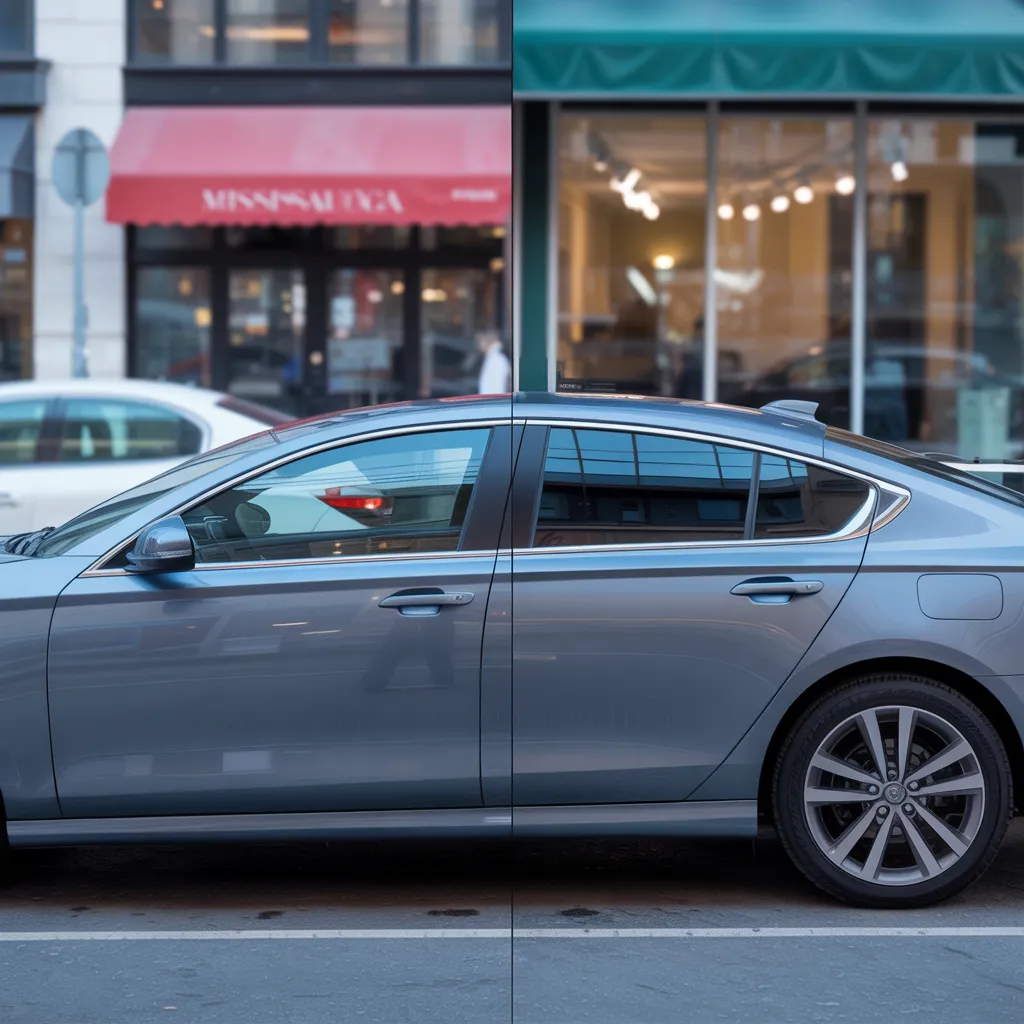
The Benefits of Tinting Your Car Windows
While countless car owners may ignore the value of window tinting, its positive aspects are significant and diverse. One main advantage is the enhanced privacy it offers; occupants can feel safer from prying eyes. Furthermore, window tinting successfully blocks harmful ultraviolet (UV) rays, defending both passengers and the vehicle's interior from sun damage. This shielding can result in a cooler cabin, reducing the need for air conditioning and increasing fuel efficiency.
Furthermore, tinted windows can lessen glare, enhancing driving comfort and safety. The aesthetic appeal of tinted windows also should not be overlooked; it gives vehicles a sleek, polished look. Furthermore, window tinting can provide an extra layer of protection against shattered glass in the event of an accident, potentially reducing injury risks. All in all, these features make window tinting a valuable investment for car owners seeking comfort, safety, and style.
Getting to Know Various Kinds of Window Tint
Understanding the different types of window tint is crucial for car owners evaluating this enhancement. Distinct tint film types deliver unique benefits and aesthetics, while conformity to legal tint regulations differs by location. This knowledge enables consumers reach informed decisions that align with their preferences and legal requirements.
Window Tint Film Varieties
Upon selecting window tint, it is important to understand the multiple types of tint films accessible, as each delivers distinct benefits and characteristics. The most common types include dyed, metalized, ceramic, and hybrid films. Dyed films provide a basic aesthetic enhancement and heat reduction but may fade over time. Metalized films contain tiny metal particles, offering increased durability and heat rejection, though they may interfere with electronic signals. Ceramic films, conversely, provide superior heat and UV protection without signal interference, making them a premium selection. Finally, hybrid films merge the benefits of dyed and metalized alternatives, striking a balance between cost and performance. Each type addresses different preferences and needs, making informed decisions essential for consumers.
Legal Tint Regulations
Managing the complexities of legal tint regulations is crucial for vehicle owners considering window tinting. Different states and regions have distinct laws that dictate the allowable darkness (VLT - Visible Light Transmission) and reflectivity of window tints. Typically, front windshields must let through a higher percentage of light compared to side and rear windows. Some jurisdictions restrict tinting on the front windows altogether. Furthermore, regulations often differ based on the type of vehicle. For example, sedans may have different requirements than SUVs or trucks. Vehicle owners must understand local laws to avoid fines and secure compliance. Contacting local authorities or tinting professionals can provide information on permissible tint types and levels for a legally compliant and aesthetically pleasing vehicle.
Legal Regulations on Window Tinting
Legal standards on window tinting differ greatly from state to state, making it critical for vehicle owners to know their local laws. These standards typically establish legal tint percentages for both front and rear windows, impacting visibility and safety. Observing these laws not only maintains compliance but also improves the driving experience.
State-Specific Tinting Laws
How can state-specific tint laws influence vehicle owners? These regulations vary widely across the United States, impacting both the legality and safety of window tinting. Each state establishes its own regulations regarding the permissible levels of tint on different windows, which can affect visibility and law enforcement interactions. Vehicle owners should remain informed about their state's rules, as non-compliance can lead to fines or mandatory removal of the tint. Additionally, some states have exemptions for medical conditions that require darker tints, while others impose strict limits on the tint percentage. Understanding these laws is crucial for vehicle owners to guarantee they enhance their ride without facing legal repercussions, thereby making informed decisions about their window tinting options.
Legal Window Tint Percentages
What are the specific legal window tint percentages that vehicle owners must adhere to? Each state throughout the U.S. enforces separate regulations for window tinting, mainly concentrating on visible light transmission (VLT). Generally, the front windshield must permit a minimum of 70% VLT, while front side windows generally range from 25% to 35% VLT. Rear windows typically come with less strict requirements, enabling darker tints. Additionally, some states enforce stricter rules for reflective tints. It is vital for vehicle owners to become acquainted with their local laws, as sanctions for non-compliance can include monetary penalties or requirements to eliminate unlawful tints. Understanding these regulations helps guarantee both legal compliance and optimal advantages from window tinting.
Selecting the Best Tint for Your Vehicle
Selecting the right tint for a vehicle can greatly enhance both its look and functionality. Factors to evaluate include the planned function, local requirements, and personal preferences. For example, those seeking privacy might opt for darker shades, while drivers focused on UV protection should seek out quality films that block damaging rays without substantially altering visibility.
Moreover, the category of vehicle plays a role in tint selection; larger windows may require distinct materials compared to compact cars. It is also crucial to review the film's quality, as superior tints often present improved durability and performance.
Finally, examine the aesthetic appeal. A automobile owner may want a certain style that enhances their automobile's color and design. By analyzing these critical factors, one can make an educated decision to attain the desired balance between style and functionality in their auto window tinting.
Professional Window Tinting versus Do-It-Yourself
Though many automobile owners may regard DIY window tinting as a money-saving approach, the benefits of professional installation typically exceed the initial savings. Professional window tinting offers skill and knowledge that can produce exceptional application and finish. Skilled professionals have access to premium products and tools, securing a accurate fit and reducing the risk of bubbling, wrinkling, or alignment issues.
Additionally, specialists commonly provide warranties that offer peace of mind, shielding against peeling or fading over time. DIY kits, while enticing for their cost-effectiveness, can create costly mistakes if not applied correctly. Furthermore, local requirements concerning tint darkness and application are often complex, and professionals are generally well-versed in compliance. Finally, selecting professional services can result in a more attractive and durable result, making it a worthwhile choice for vehicle owners desiring quality and longevity in their window tinting applications.
Care Guidelines for Your Tinted Windows
Correct upkeep of tinted windows is critical for retaining their look and performance over time. Consistent cleaning is important; employing a soft, microfiber cloth and a non-abrasive ammonia-free cleaner helps avoid damage to the tint. It is suggested to wait at least 30 days after installation before cleaning the windows to permit the tint to completely cure.
While cleaning, steer clear of abrasive materials or brushes, as these can scratch or peel off the tint. In addition, it's important to refrain from rolling down the windows for the first few days after application, as this can interfere with the adhesive bond.
Examining the tint regularly for bubbles, peeling, or discoloration can help catch issues early. If any damage is discovered, it is best to consult a professional for repairs. By following these maintenance guidelines, car owners can maintain their tinted windows remain visually appealing and functional for years to come.
Cost Considerations for Window Tinting
Comprehending the cost factors for window tinting is crucial for car owners looking to enhance both aesthetics and functionality. Multiple factors influence the overall expense, including the type of tint picked, the size of the vehicle, and the complexity of the installation. Premium films, such as ceramic or carbon tints, often command higher prices due to their superior performance and durability. Additionally, professional installation can considerably increase costs, as experienced technicians guarantee a flawless application that minimizes the risk of bubbles or peeling. DIY options are available but may lead to subpar finishes. Geographic location also plays a role; prices may fluctuate by region due to labor costs and local regulations. Finally, car owners should consider potential long-term savings from energy efficiency and UV protection, making window tinting a worthwhile investment. Evaluating these factors leads to informed decisions that align with both budget and desired outcomes.
Popular Questions
Does Adding Window Tint Impact My Car's Resale Value?
Window tinting can have either a positive or negative impact on a vehicle's resale value. Expert-installed, premium tint can appeal to buyers interested in UV protection and visual appeal, while substandard tint may repel buyers because of compliance issues or appearance.
How Long Can Window Tint Film Last?
Tint film for windows usually lasts between five to ten years, relying on the quality of the film, installation, and environmental factors. Regular maintenance can prolong the lifespan, providing excellent performance and appearance across its service life.
Can Window Tinting Void My Vehicle Warranty?
Window tinting generally does not void a car warranty. However, when the tint installation causes vehicle damage or deviates from manufacturer guidelines, it may affect warranty coverage related to those specific components.
Is It Possible to Remove Window Tint on My Own?
Window tint can be removed by oneself, though it requires patience and appropriate tools. Careless removal can damage the glass or leave sticky residue behind, complete article so care is suggested for the best outcome.
What Actions Should I Take When My Tint Bubbles?
If tint bubbles occur, the user should first examine the level of the issue. They can endeavor to gently eliminate trapped air with a smooth cloth or request professional help for proper removal and reapplication.